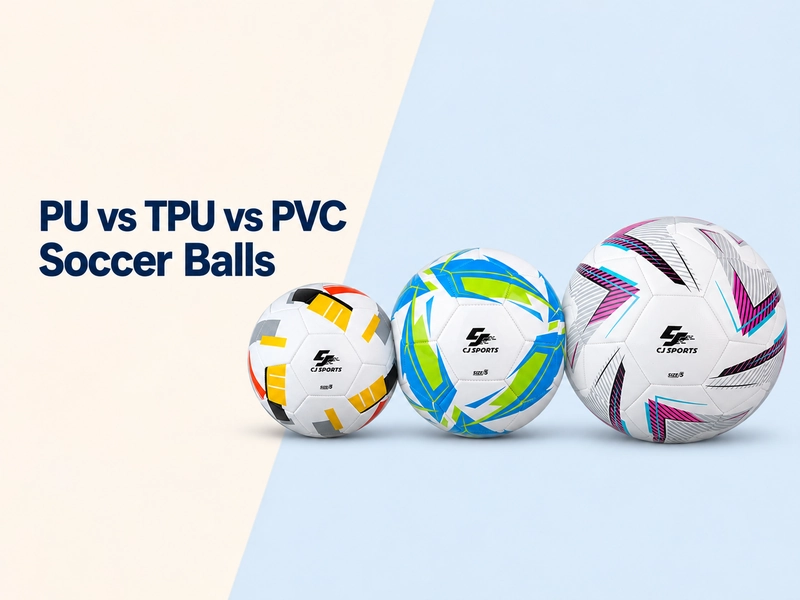
Choosing between a PU, TPU, and PVC soccer ball is mainly about matching the ball to how and where it will be used.
In general:
- PU is preferred when soft touch and higher-level playing feel matter most.
- TPU is a balanced option for training, youth, and general retail use.
- PVC is commonly used when cost and abrasion resistance are more important than premium touch.
There is no single “best” material for every soccer ball.
A match ball, training ball, street football, and promotional ball may all need different cover materials.
1. PU vs TPU vs PVC Soccer Ball Comparison
| Feature | PU | TPU | PVC |
|---|---|---|---|
| Touch | Softest | Balanced | Firmer |
| Flexibility | High | Good | Lower |
| Typical Price Level | Higher | Mid-range | Lower |
| Common Use | Match, premium training | Training, youth, retail | Recreation, promotion, budget use |
| Rough-Surface Use | Depends on cover grade | Often suitable | Often suitable |
| Cold-Weather Feel | Usually softer | Generally balanced | Can become firmer |
| Overall Positioning | Performance-focused | Balanced | Cost-focused |
This is a general comparison.
Cover material alone does not determine soccer ball quality. Cover thickness, backing, bladder, and construction also affect the finished ball.
Construction Compatibility
PU, TPU, and PVC describe the cover material, while machine stitching, thermal bonding, and lamination describe the construction method.
These are separate specifications. PU, TPU and PVC can all be used for machine-stitched or bonded/laminated soccer balls, depending on the product design, performance requirements and target price.
The final performance of a soccer ball depends on both the cover material and the construction method, as well as factors such as foam layers, backing fabric, bladder and panel structure.
2. What Is a PU Soccer Ball?
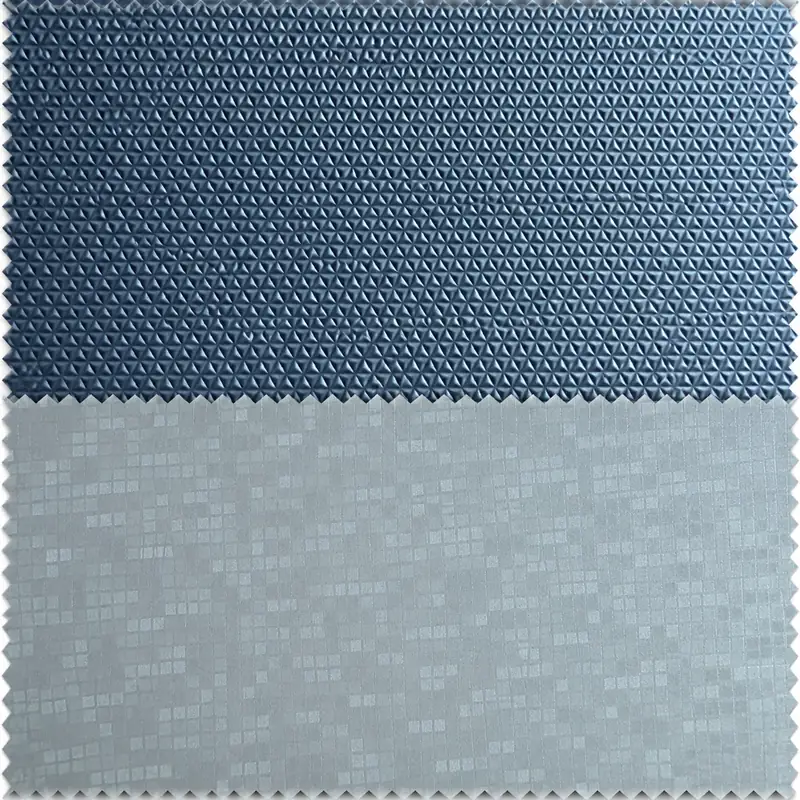
A PU soccer ball uses polyurethane as the outer cover material.
PU is widely used in soccer balls where a softer touch and more refined playing feel are important.
It is commonly found in:
- match balls;
- premium training balls;
- higher-end retail products;
- branded soccer balls.
Compared with basic PVC, PU usually feels softer and more comfortable when passing, shooting,g and controlling the ball.
For this reason, polyurethane soccer balls are often positioned toward higher-performance use.
Not all PU soccer balls are the same, though. PU grade and construction can vary between products, so buyers should compare the full product specification rather than only the material name.
3. What Is a TPU Soccer Ball?
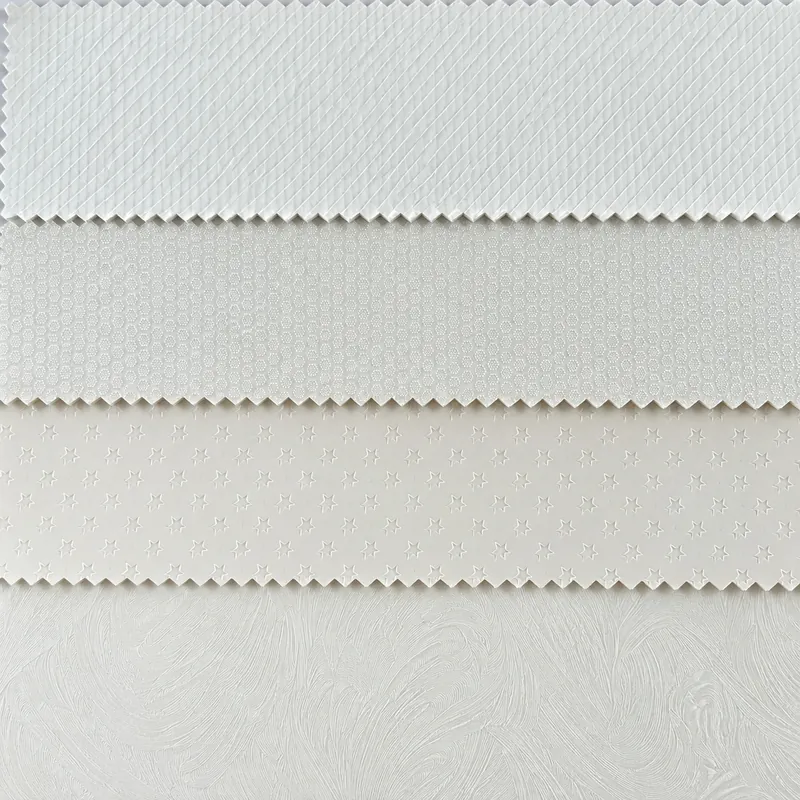
A TPU soccer ball uses thermoplastic polyurethane as the cover material.
TPU is often selected when the product needs a balance between:
- playing feel;
- flexibility;
- durability;
- price.
That makes TPU a common choice for:
- training balls;
- youth soccer balls;
- club practice;
- general retail;
- recreational play.
Compared with PU, TPU is often more practical for buyers who want good performance without moving into a premium price range.
Compared with PVC, TPU usually provides a softer and more flexible feel.
4. What Is a PVC Soccer Ball?
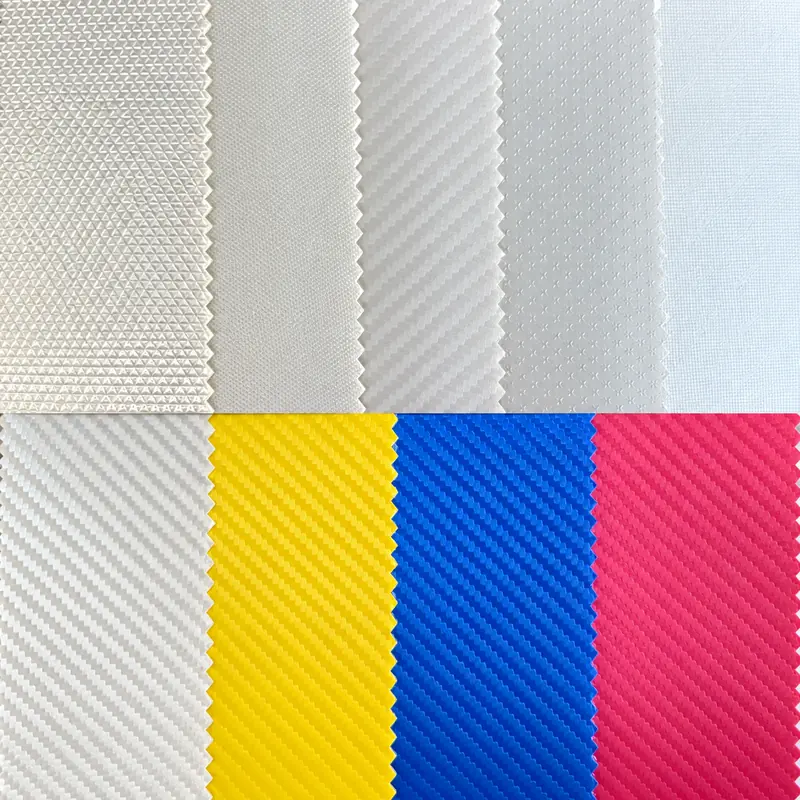
A PVC soccer ball uses polyvinyl chloride as the outer material.
PVC is commonly used in products where cost, durability, ty and easy maintenance are important.
Typical applications include:
- recreational soccer;
- promotional balls;
- entry-level retail;
- playground use;
- budget training products.
PVC usually feels firmer than PU or TPU.
For users who prioritize soft touch and match-level performance, it may not be the first choice.
For buyers who need an affordable ball for casual or high-volume use, however, PVC can be a practical option.
5. PU vs TPU Soccer Ball: Which Is Better?
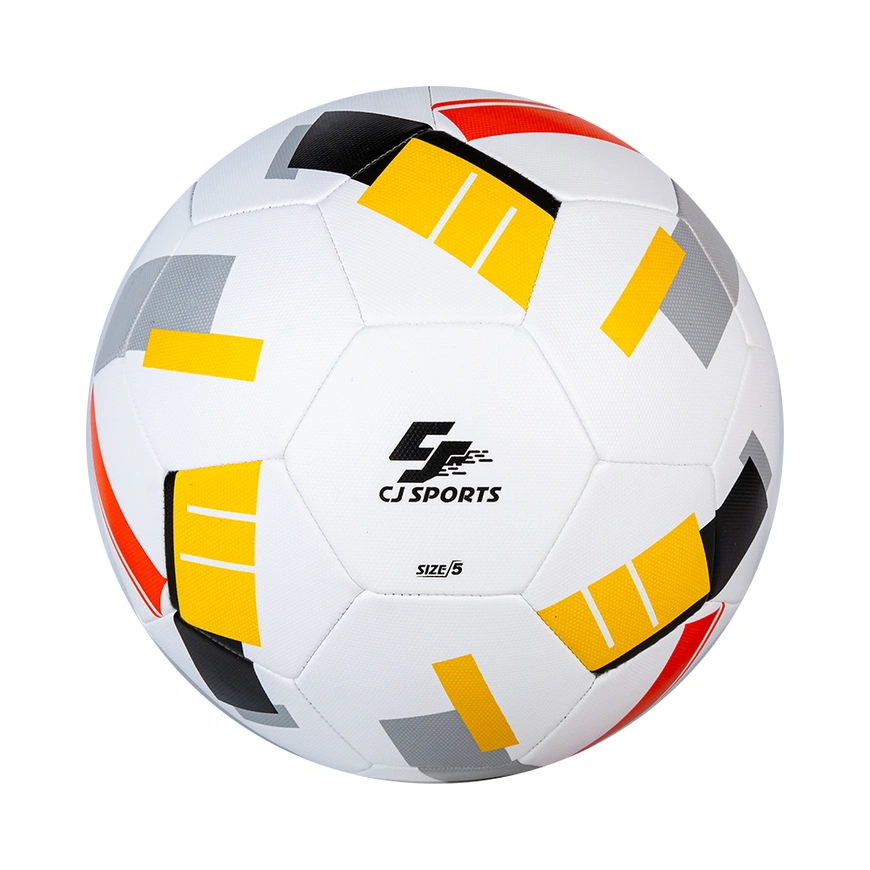
PU and TPU are both suitable for higher-quality soccer balls, but they are usually chosen for different reasons.
Choose PU when:
- softer touch is a priority;
- the product is positioned as premium;
- match feel matters;
- price is less sensitive.
Choose TPU when:
- the ball will be used frequently;
- durability and feel need to be balanced;
- the product is intended for training or youth use;
- the target price is mid-range.
For many training programs and retail projects, TPU is often the more practical option.
For higher-performance products, PU is usually more suitable.
6. TPU vs PVC Soccer Ball: Which Is Better?
The TPU vs PVC comparison is especially relevant for training, schools, and general retail.
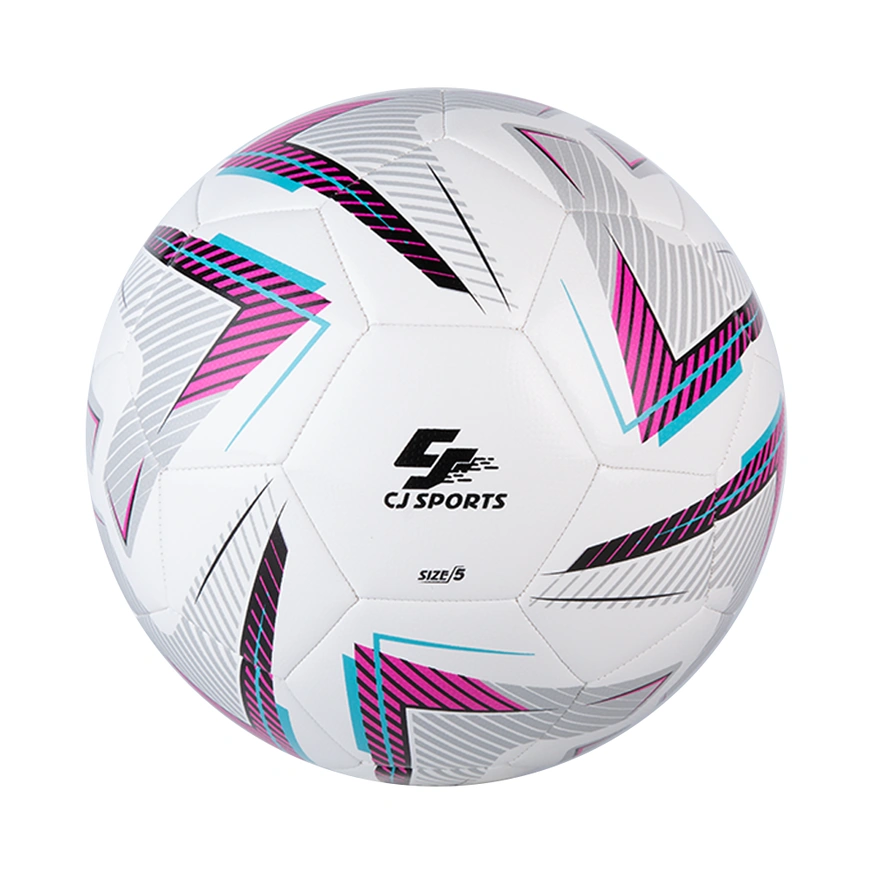
TPU usually offers:
- softer touch;
- better flexibility;
- a more comfortable playing feel.
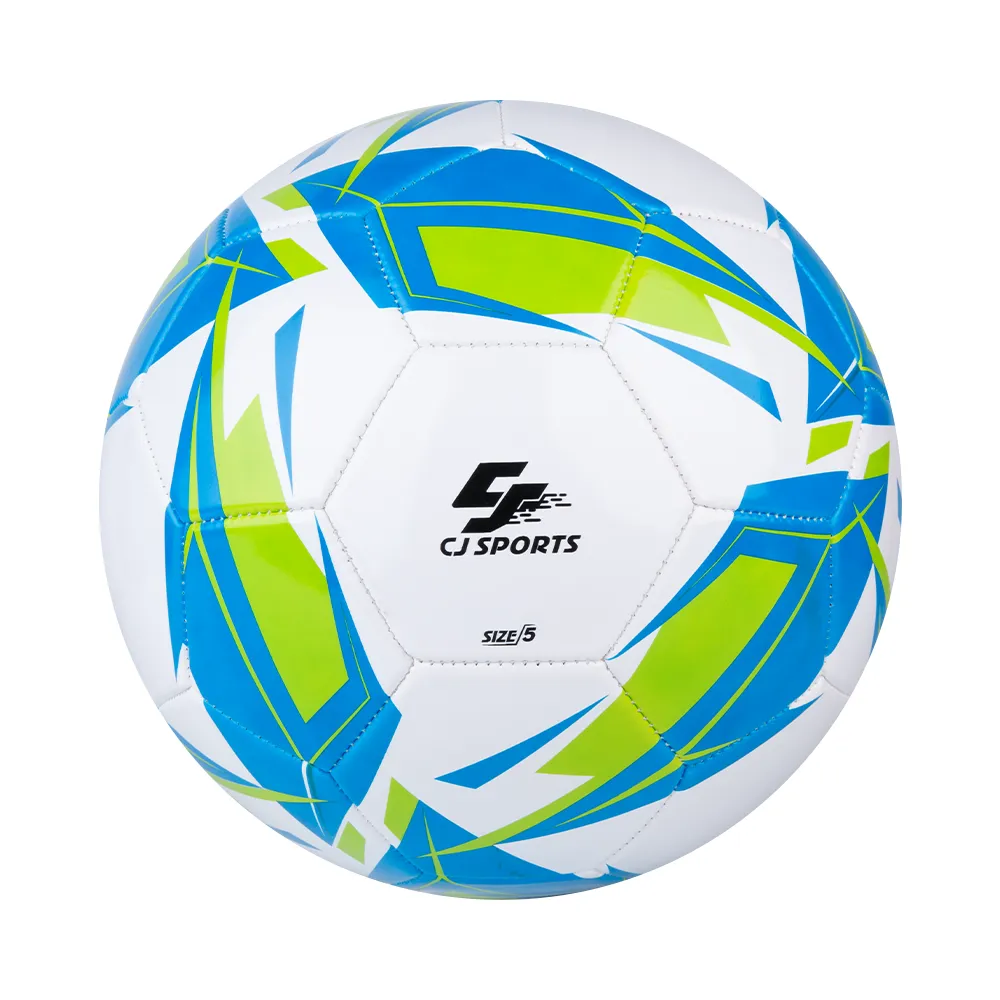
PVC usually offers:
- lower cost;
- firmer feel;
- good resistance to rough everyday use.
If the ball will be used regularly for training, TPU is often the better all-round choice.
If the project is highly price-sensitive or intended for basic recreational use, PVC may make more sense.
7. PU vs PVC Soccer Ball: Which Should You Choose?
PU and PVC serve very different product positions.
A PU soccer ball is generally better suited to:
- premium retail;
- match-oriented use;
- players who value a softer touch.
A PVC soccer ball is generally better suited to:
- promotional projects;
- recreational use;
- budget-focused orders;
- rough everyday environments.
The decision comes down to what matters more:
playing feel or cost and practicality.
8. Which Soccer Ball Material Is Best for Match Play?
For match-oriented soccer balls, PU is usually the first material to consider.
Players typically want:
- softer touch;
- controlled response;
- comfortable ball contact;
- a more premium playing feel.
That is why many higher-level soccer balls use PU covers.
For professional or competition use, however, buyers should also confirm the ball’s full performance specifications rather than choosing based on cover material alone.
9. Which Soccer Ball Material Is Best for Training?
For regular training, TPU is often the most balanced option.
Training balls are used repeatedly and need to handle frequent kicking, storage, and general wear.
TPU can provide good durability while still offering a comfortable playing feel.
PU may be suitable for premium training products, while PVC can work for lower-cost training programs.
For most mid-range training balls, TPU is a strong starting point.
10. Which Material Is Best for Casual Play?
For casual football with friends, there is usually no need to buy the most expensive match-grade ball.
A TPU soccer ball is often a good choice because it combines:
- decent touch;
- good durability;
- moderate price.
PVC can also work well for occasional use, especially when price matters more than feel.
For casual players, a balanced and durable ball is usually more practical than a premium performance model.
11. Which Soccer Ball Material Is Best for Artificial Grass?
For artificial grass, the best choice depends on how abrasive the surface is and how frequently the ball will be used.
For regular training on artificial turf, TPU is often a practical choice because it provides a good balance between feel and durability.
PVC can also be suitable for more abrasive or budget-focused environments.
PU may still work well on quality artificial pitches, but a softer premium cover may wear faster if the surface is particularly rough.
For artificial grass, buyers should pay attention to:
- surface abrasion;
- training frequency;
- cover thickness;
- overall durability.
12. Which Soccer Ball Material Is Best for Concrete or Street Football?
Concrete is much more abrasive than natural grass.
For street football, the outer surface of the ball experiences repeated scraping during:
- dribbling;
- passing;
- rolling;
- impacts against the ground.
For this reason, a soft premium PU ball is not always the most practical choice.
A durable TPU or PVC soccer ball is often more suitable for concrete because abrasion resistance matters more than premium touch.
For street use, buyers should prioritize:
- surface durability;
- cover thickness;
- strong backing;
- wear resistance.
The most expensive ball is not necessarily the longest-lasting ball on concrete.
13. Which Material Is Better for Cold or Wet Weather?
Weather can affect how a soccer ball feels.
In colder conditions, some PVC covers can become noticeably firmer.
PU and TPU are generally more suitable when a softer, more flexible feel is preferred in cool conditions.
For wet weather, the cover material is only part of the picture.
A ball’s ability to handle moisture also depends on:
- panel construction;
- seams or bonding;
- surface coating;
- overall water resistance.
So when buying for rainy environments, look at the complete ball construction rather than only choosing PU, TP, U, or PVC.
14. Why Does a Soccer Ball Cover Peel or Crack?
A soccer ball cover can peel or crack because of repeated wear or poor surface durability.
Common causes include:
- frequent use on concrete;
- abrasive artificial turf;
- thin outer material;
- weak surface coating;
- long-term UV exposure;
- extreme storage temperatures;
- heavy repeated use.
If a ball is mainly used on rough surfaces, durability should be prioritized during material selection.
For street and playground products, a harder-wearing TPU or PVC construction may last longer than a softer premium cover.
15. What Is a Composite Soccer Ball?
A composite soccer ball is generally a ball made from several material layers rather than one single material.
A typical soccer ball may include:
- an outer cover;
- foam;
- fabric backing;
- bladder;
- stitching or bonding layers.
So even when a product is described as a PU soccer ball, PU usually refers only to the outer cover.
The complete structure determines how the ball feels and performs.
16. Which Material Is Best for Different Uses?
Here is a simple way to choose:
| Use Case | Recommended Direction |
|---|---|
| Match Play | PU |
| Premium Training | PU or TPU |
| Regular Training | TPU |
| Youth Soccer | TPU |
| Casual Play | TPU or PVC |
| Artificial Grass | TPU or PVC |
| Concrete / Street | Durable TPU or PVC |
| Promotional Use | PVC |
| Budget Retail | PVC |
This is a starting point rather than a fixed rule.
The target price, playing surface,ce and expected product life should all be considered.
Need Help Choosing the Right Soccer Ball Material?
Tell us your target use, playing surface, budget and order quantity. We can recommend a suitable PU, TPU or PVC soccer ball specification for your market.
Get Material Advice17. How Should Bulk Buyers Choose PU, TPU or PVC Soccer Balls?
For brands, distributors and importers, the first question should be:
What is the ball designed to do?
A bulk buyer should normally define:
- intended use;
- playing surface;
- target market;
- target price;
- preferred cover material;
- expected durability;
- product positioning.
For example:
A premium retail match ball may prioritize PU and soft touch.
A youth training ball may prioritize TPU and repeated-use durability.
A promotional project may prioritize PVC and cost control.
This makes material selection much easier than asking for a generic “high-quality soccer ball.”
18. What Should Buyers Confirm Before Ordering?
Before approving an OEM soccer ball, confirm:
- cover material;
- cover thickness;
- backing structure;
- bladder;
- construction method;
- intended playing surface;
- target price;
- required performance level.
These details help make sure that the finished product matches the intended market.
Looking for Custom Soccer Balls in PU, TPU or PVC?
Share your target market, material preference, playing surface, branding needs and order quantity. CJ Sports can develop a custom soccer ball specification for your project.
Get a Custom Quote19. Frequently Asked Questions
Is PU better than TPU for soccer balls?
PU is generally better when soft touch and premium playing feel are the priority. TPU is often more suitable when buyers want a balance between durability, performance, and cost.
Is TPU better than PVC?
For regular training and youth use, TPU is often preferred because it usually feels softer and more flexible. PVC is more suitable for lower-cost or abrasion-focused applications.
What soccer ball material is best for concrete?
Durable TPU or PVC constructions are often more practical for concrete because rough surfaces can wear soft covers quickly.
Why does my soccer ball outer layer peel?
Peeling can result from rough surfaces, thin cover material, weak coating, UV exposure, or long-term wear.
Which soccer ball material is best for training?
TPU is often a strong choice for regular training because it provides a good balance between durability, playing feel, and price.
20. Which Soccer Ball Material Should You Choose?
The simplest way to decide is by intended use.
Choose PU when touch and higher-level playing performance matter most.
Choose TPU when you want a balanced training or retail ball.
Choose PVC when cost, practicality, and rough-use durability are the main priorities.
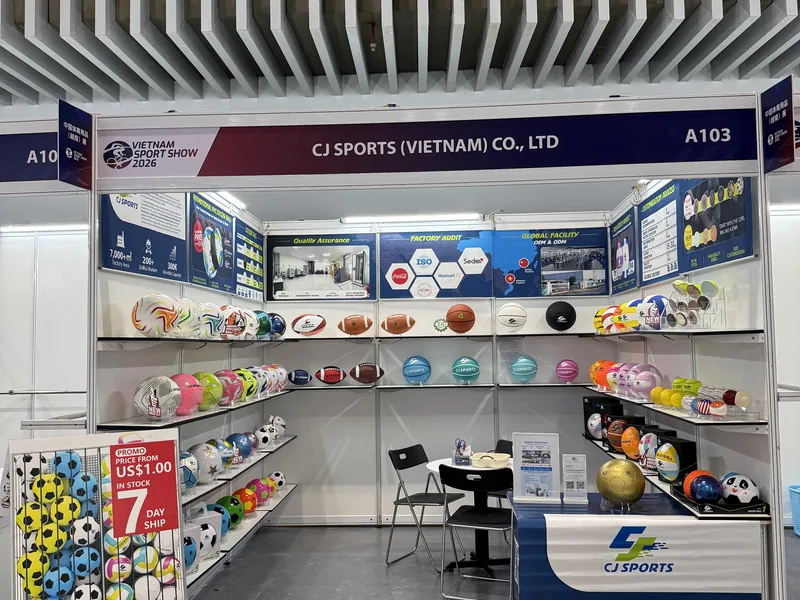
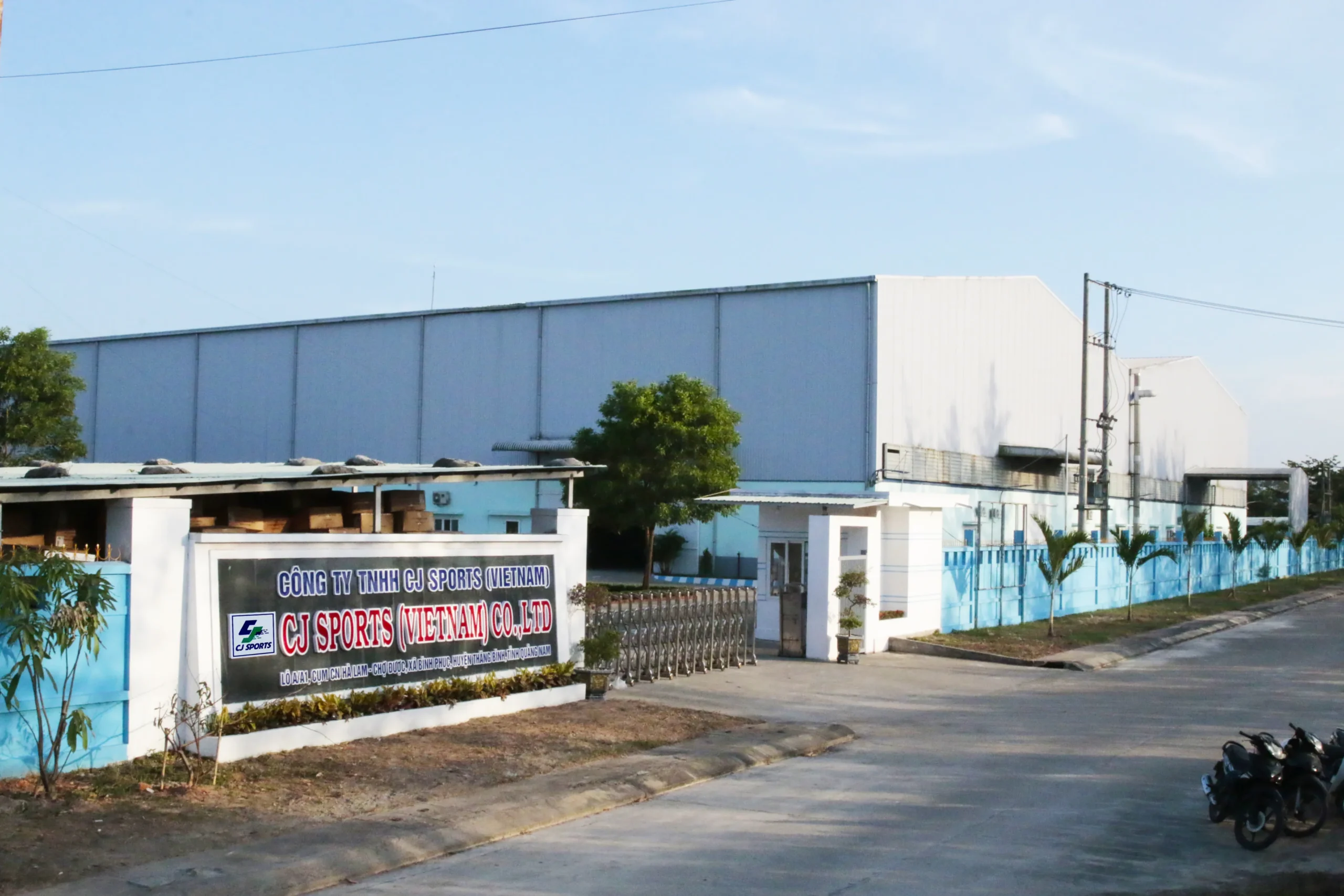
CJ Sports manufactures custom soccer balls for brands, distributors, importers, and other bulk buyers, with different material, construction, branding, and packaging options available for different markets and applications.